Meaning ❉ Hair Ethno-trichology is the interdisciplinary study of hair's biology, cultural significance, and historical practices, focusing on textured hair's heritage.
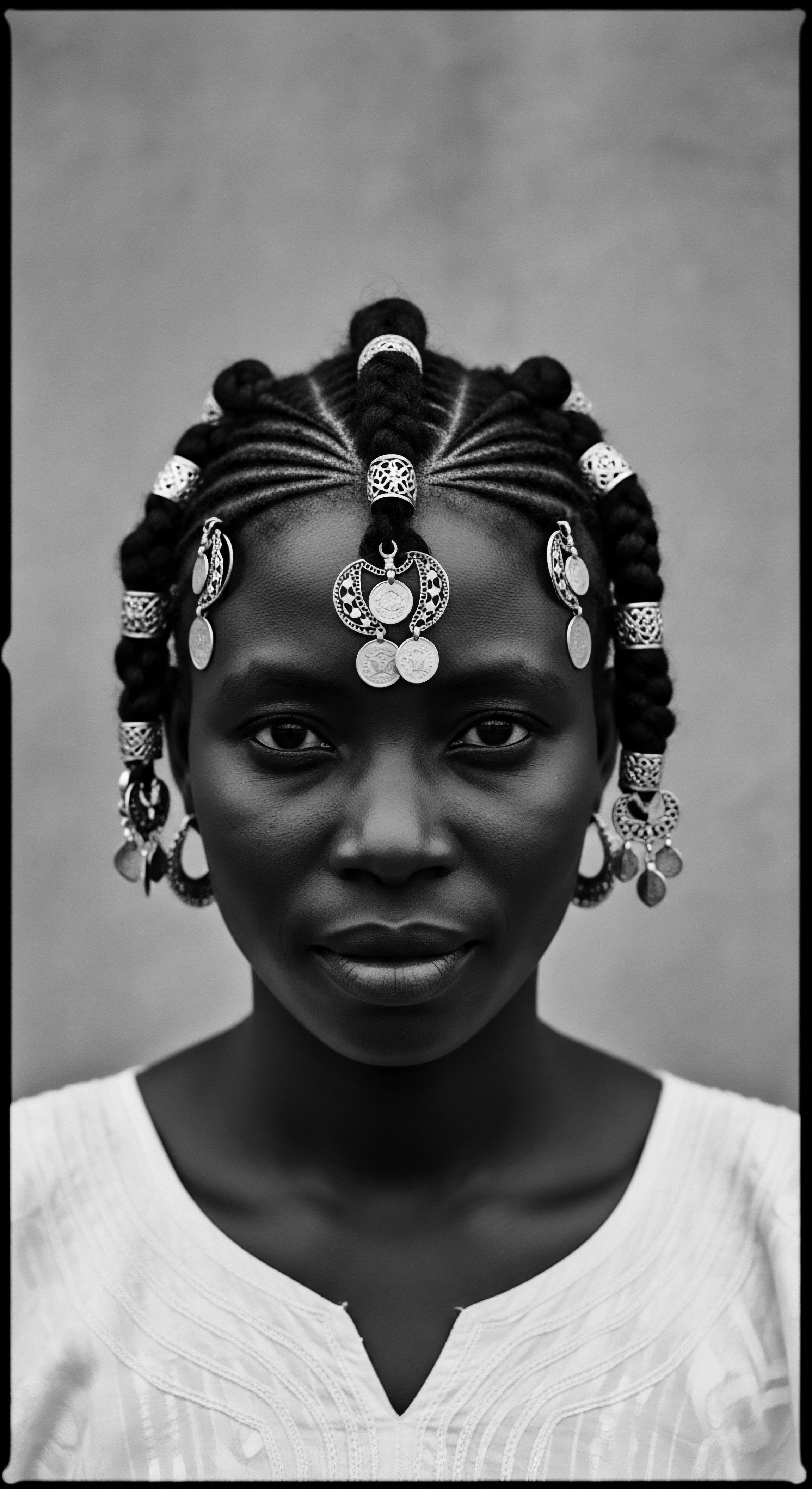
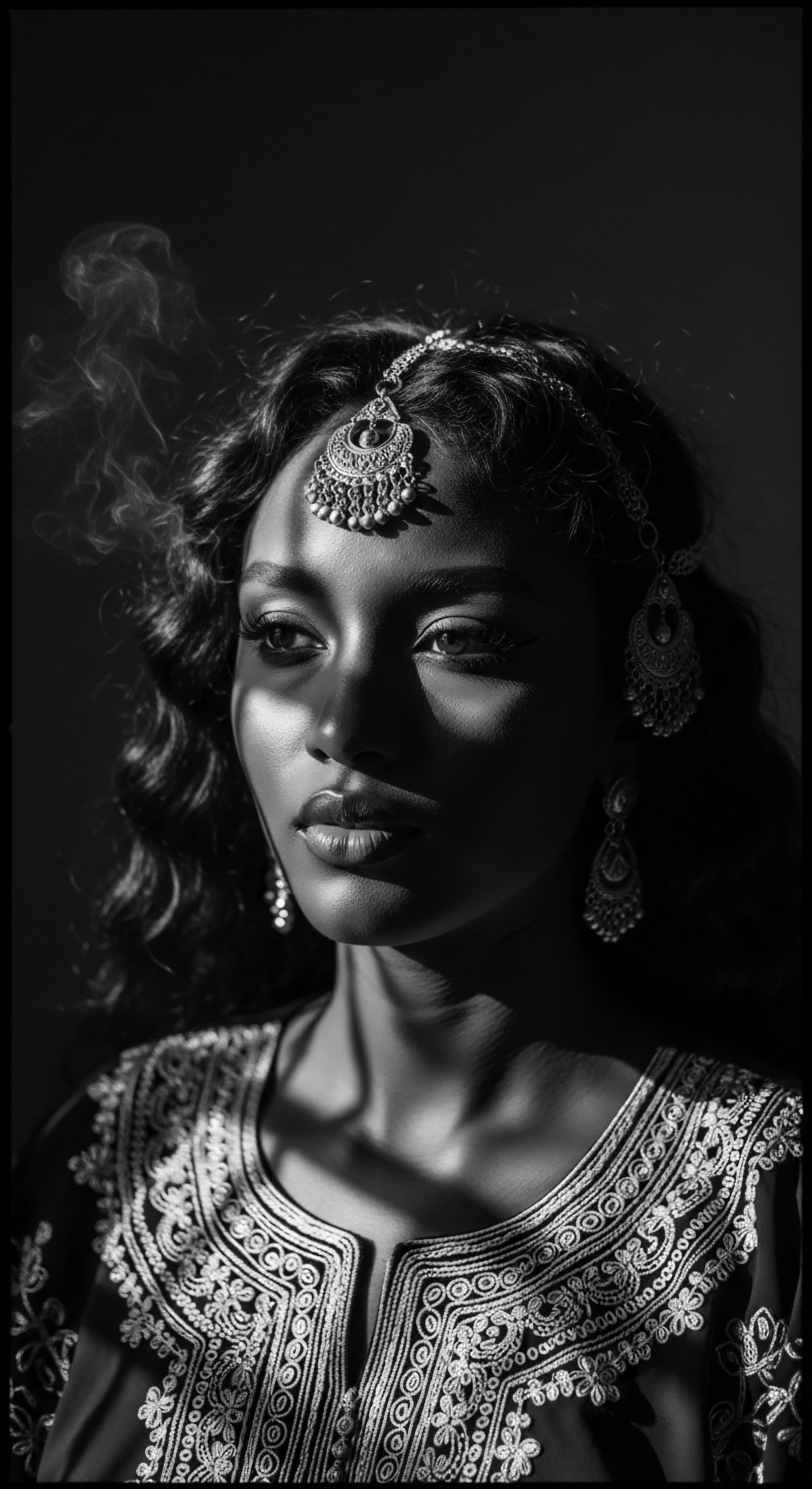
Science validates traditional African hair adornments’ protective qualities by revealing their mechanisms for reducing physical stress and environmental harm.
Ancestral diets rich in whole grains, legumes, leafy greens, and traditional oils provided proteins, vitamins, and minerals vital for textured hair resilience and health.
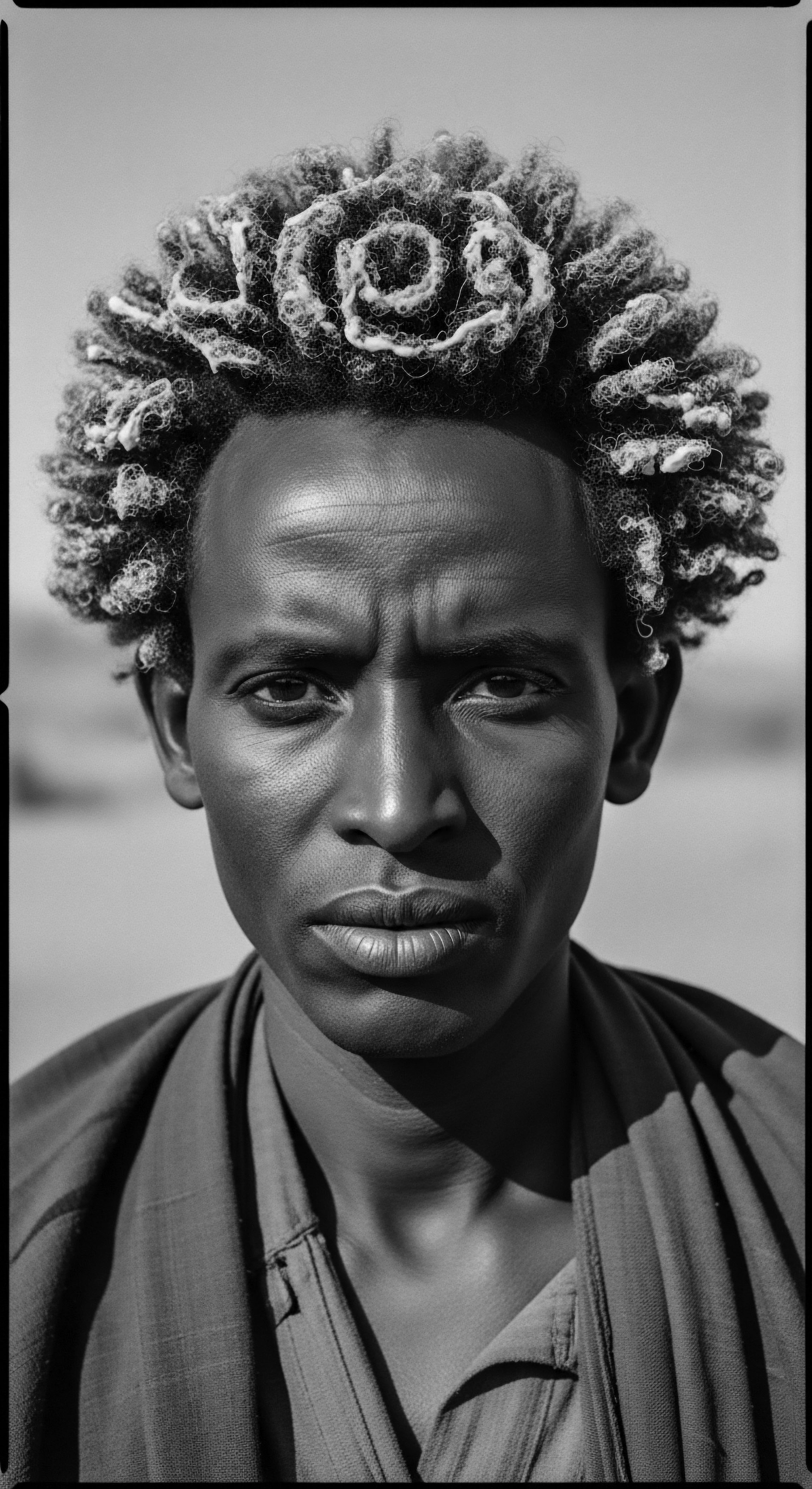
Historical African hair practices influence modern routines through a deep heritage of protective styles, natural ingredients, and holistic care principles.
Meaning ❉ Hair Wrapping History delineates the ancient and evolving practice of enveloping hair for protection, care, and profound cultural significance, particularly for textured hair.
Meaning ❉ Textured Hair Sustenance defines the holistic, heritage-rich care and nourishment essential for coiled, kinky, and wavy hair's optimal vitality and cultural affirmation.
Wide-tooth combs are best for textured hair because their design aligns with ancestral knowledge of gentle handling, preventing breakage and honoring its unique coiled structure.
Meaning ❉ Moisture sealing traditions involve layering emollients over hydrated textured hair to retain moisture, embodying ancestral wisdom and cultural resilience.
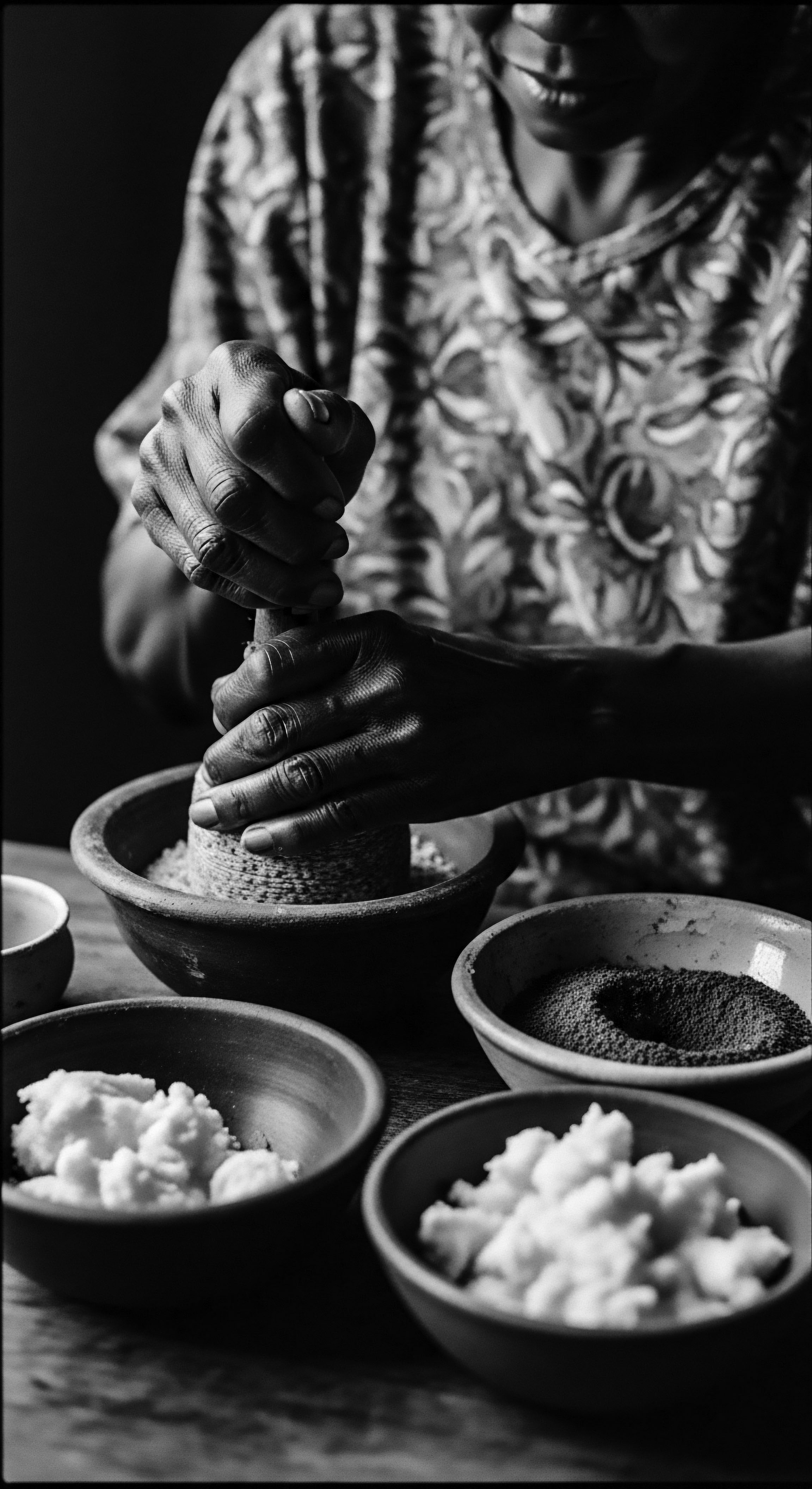
Ancestral oils like shea butter, palm oil, and castor oil, along with blends such as Chebe and Karkar, historically nurtured Black hair by sealing moisture and providing protective care.
Meaning ❉ The Walker Economic Model defines how textured hair heritage fosters intergenerational value, knowledge transmission, and economic resilience within communities.
Meaning ❉ Alkaline Hair Cleansing purifies hair using high pH substances, a practice deeply rooted in ancestral Black and mixed-race hair traditions for thorough cleansing and cultural expression.
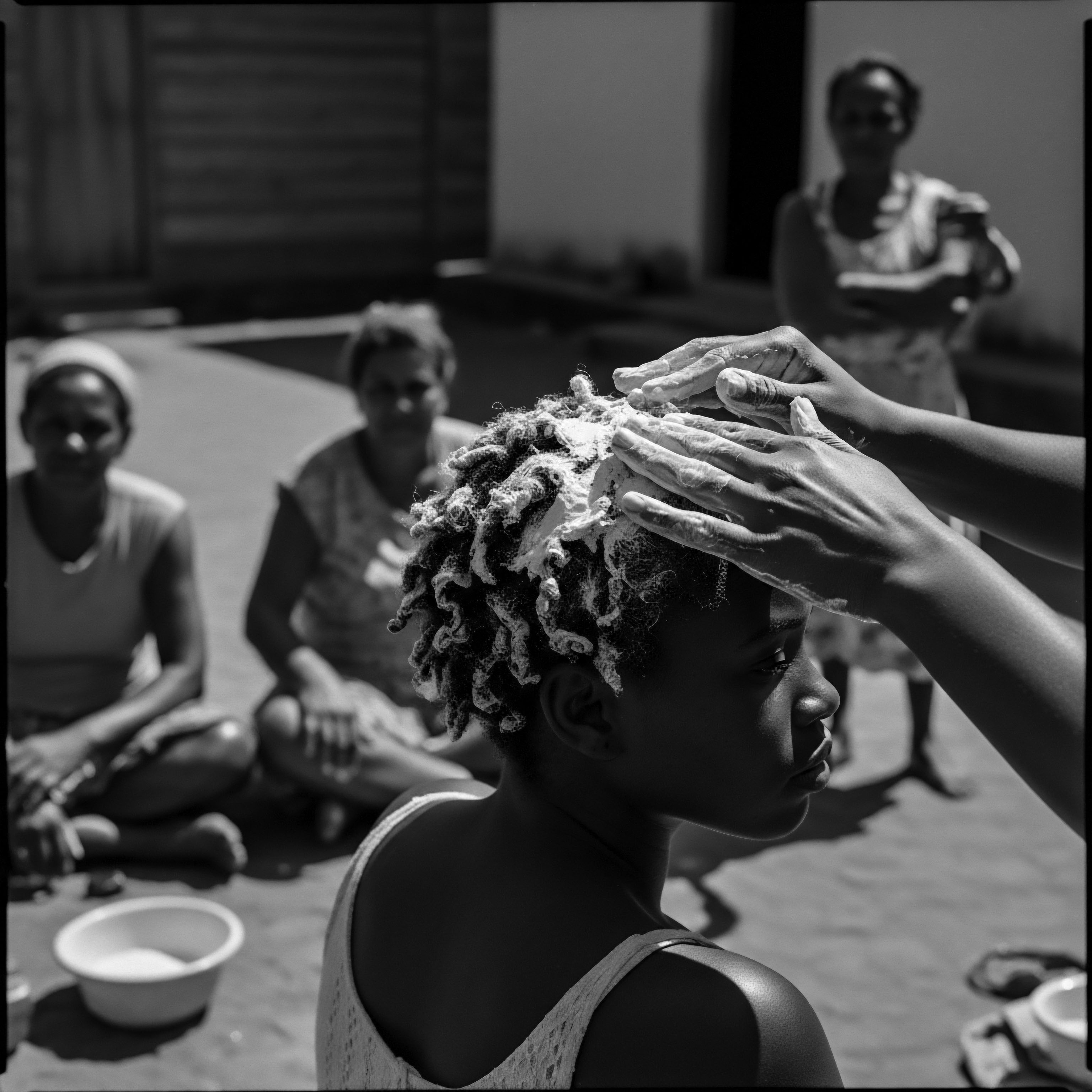
Ancestral cultures cared for delicate textured hair through holistic, communal practices using natural ingredients for nourishment and protective styling.
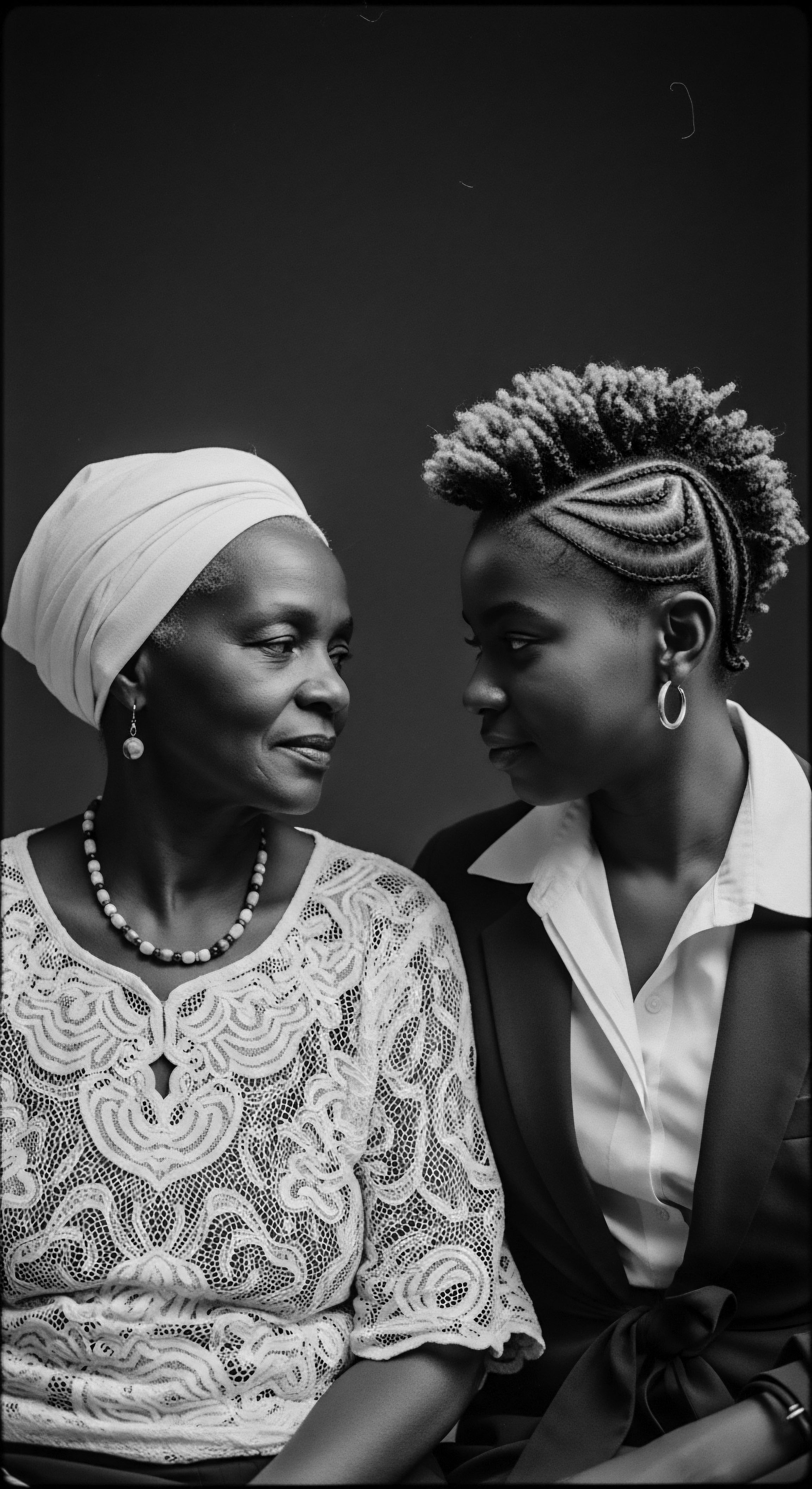
Hair care rituals preserved Black identity by acting as sacred conduits of ancestral heritage, symbols of resistance, and vital community bonds across history.
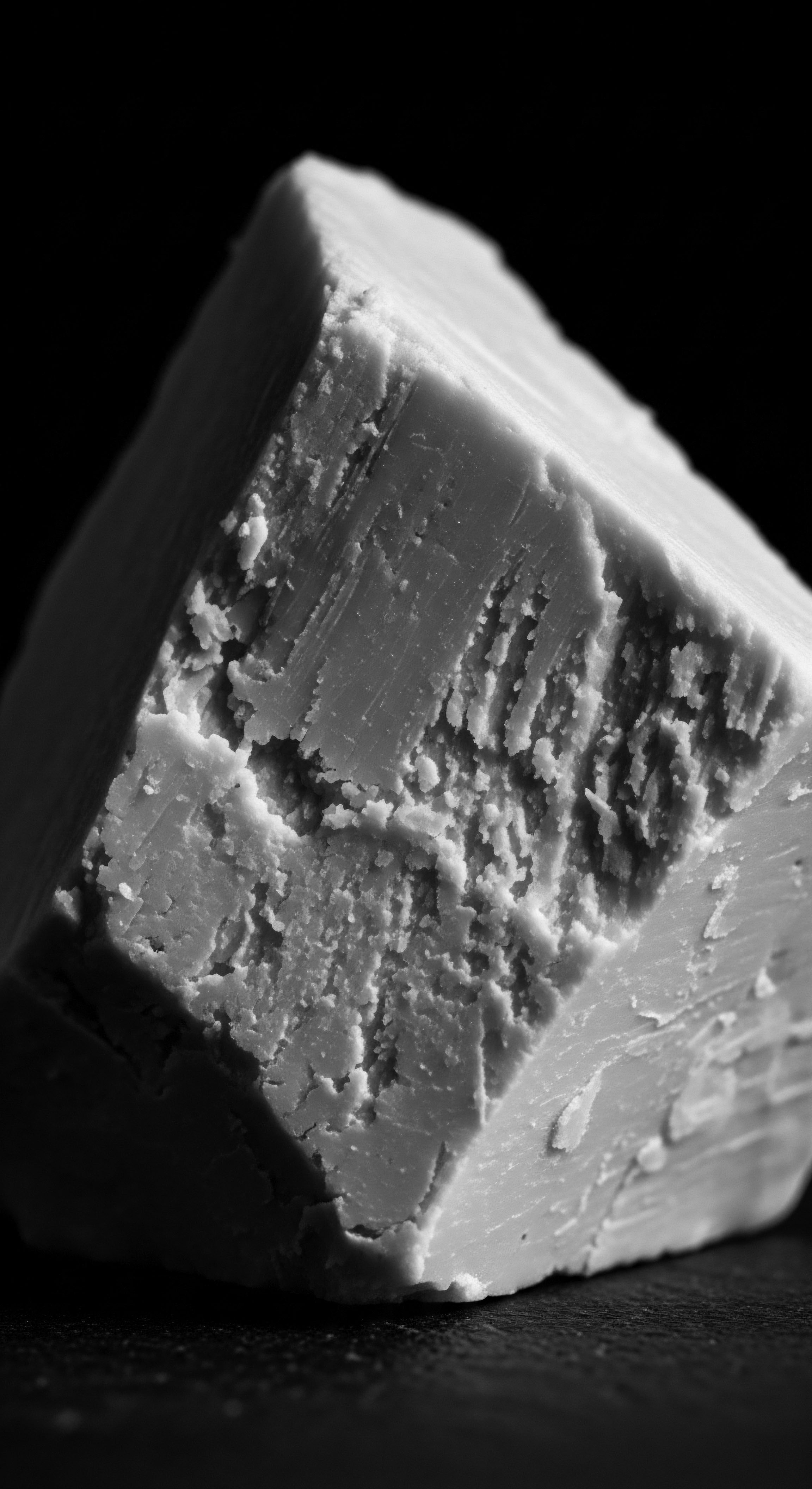
Meaning ❉ Shea Butter Livelihoods defines the multi-dimensional sustenance derived from shea butter production and its ancestral link to textured hair heritage.
Meaning ❉ Wet Styling is the shaping of damp hair, a method deeply rooted in ancestral practices for textured hair, enhancing definition and promoting protective styling.
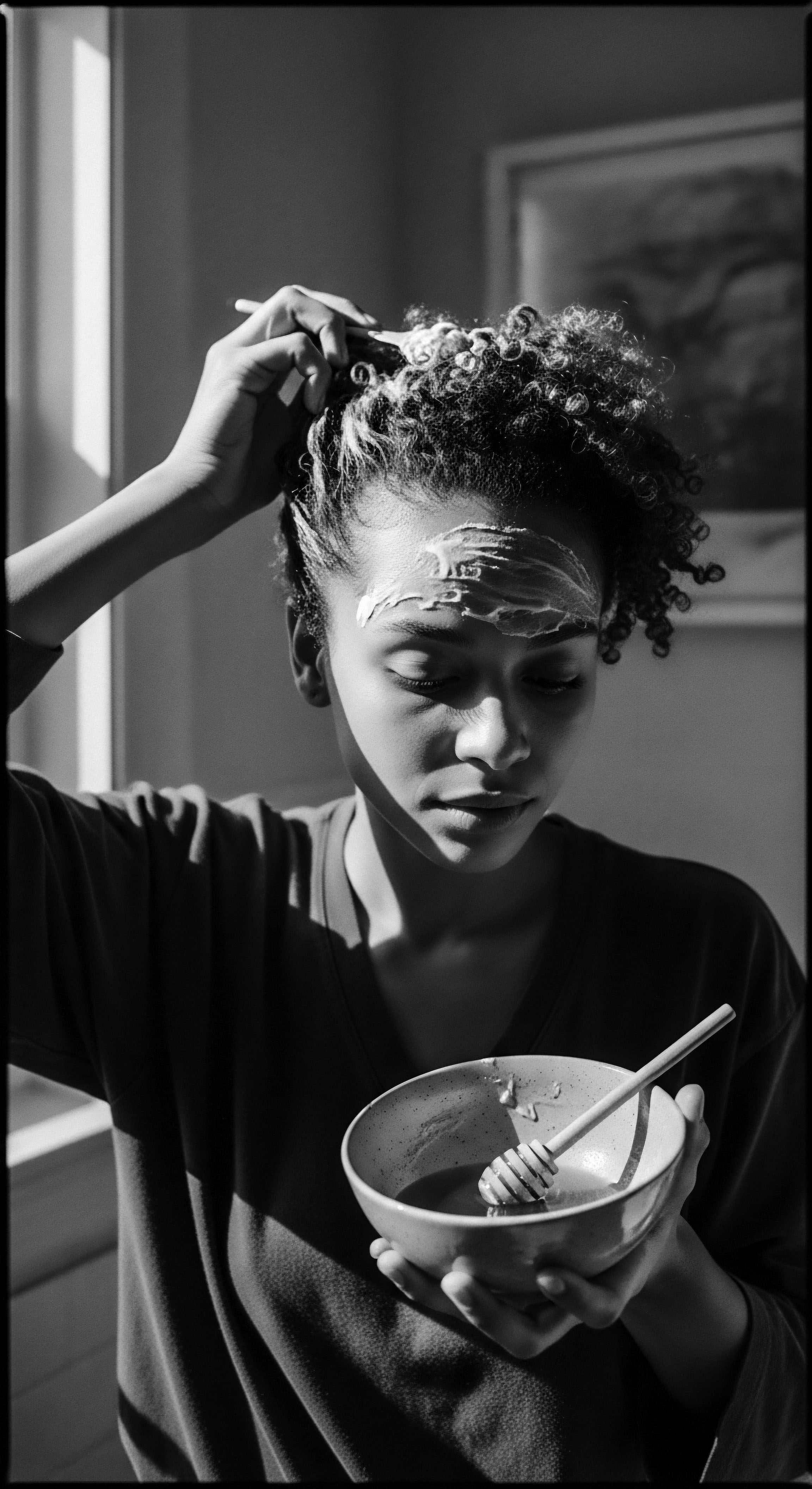
Historical plant remedies fortified textured hair by providing deep moisture, protection, and strength, reflecting centuries of ancestral wisdom and cultural heritage.
Meaning ❉ Water Hair Care defines the intentional use of water as the primary hydration and manipulation agent for textured hair, rooted deeply in ancestral practices and cultural identity.
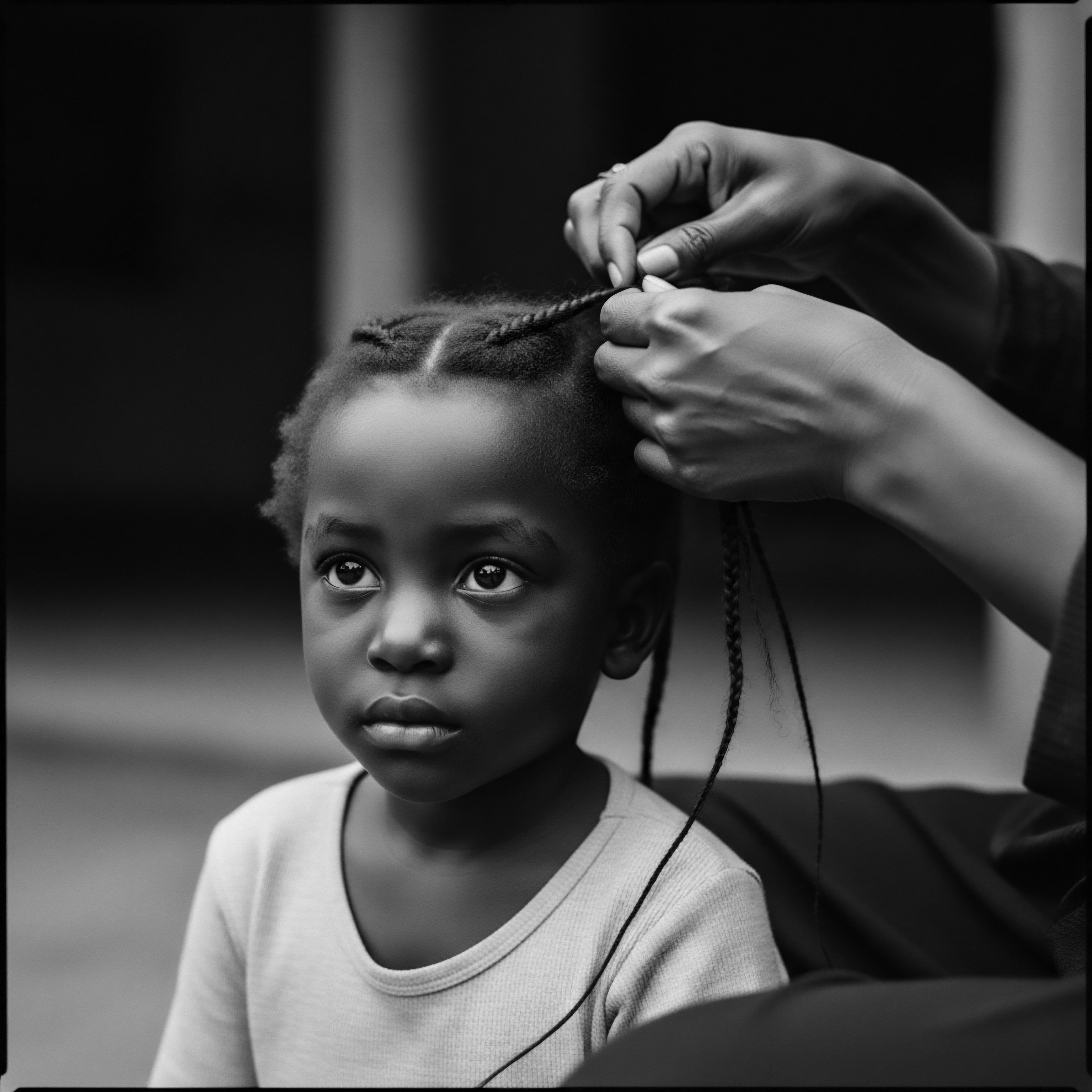
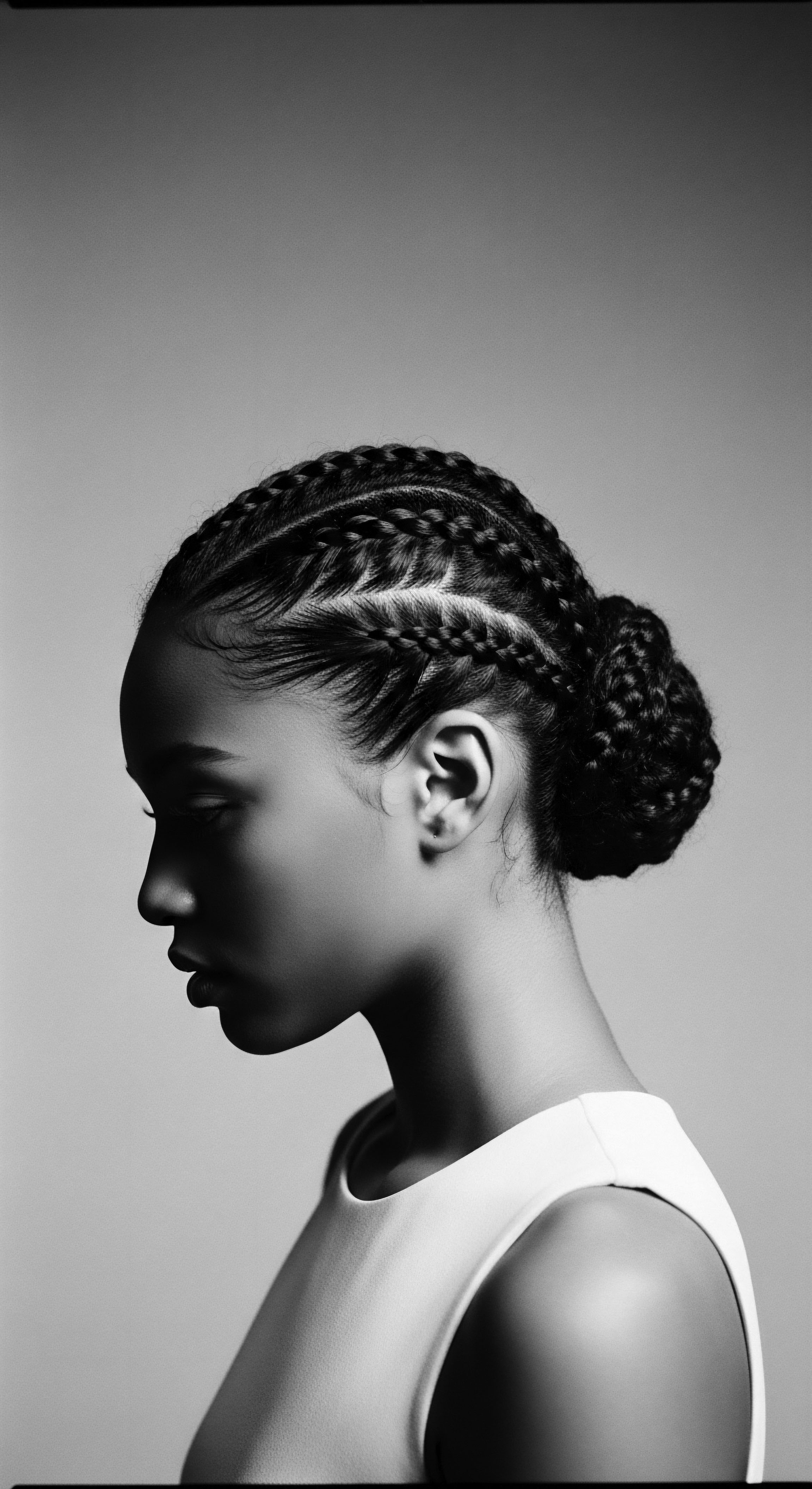
Protective styles hold profound historical importance as ancestral practices that preserved textured hair health, conveyed cultural identity, and served as acts of resistance for Black communities.
Meaning ❉ Textured Hair Botany examines the biological structures and cultural legacy of coiled hair, honoring ancestral care practices and plant knowledge.
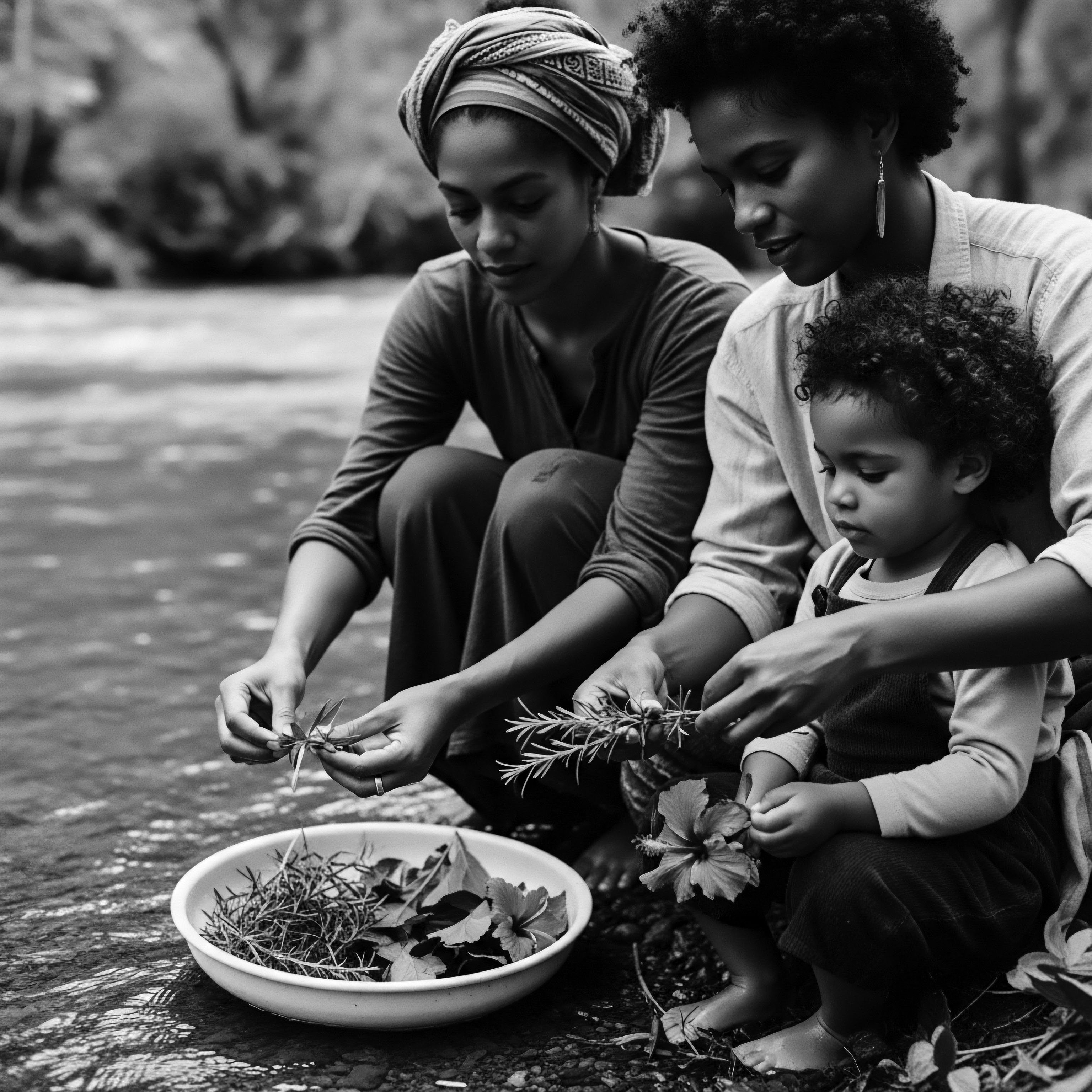
Plant-based ingredients have historically provided essential nourishment, protection, and cultural significance for textured hair across Black heritage.
We use cookies to personalize content and marketing, and to analyze our traffic. This helps us maintain the quality of our free resources. Manage your preferences below.
This helps support our free resources through personalized marketing efforts and promotions.
Analytics cookies help us understand how visitors interact with our website, improving user experience and website performance.
Personalization cookies enable us to customize the content and features of our site based on your interactions, offering a more tailored experience.