What specific plants were used in traditional African hair rituals?
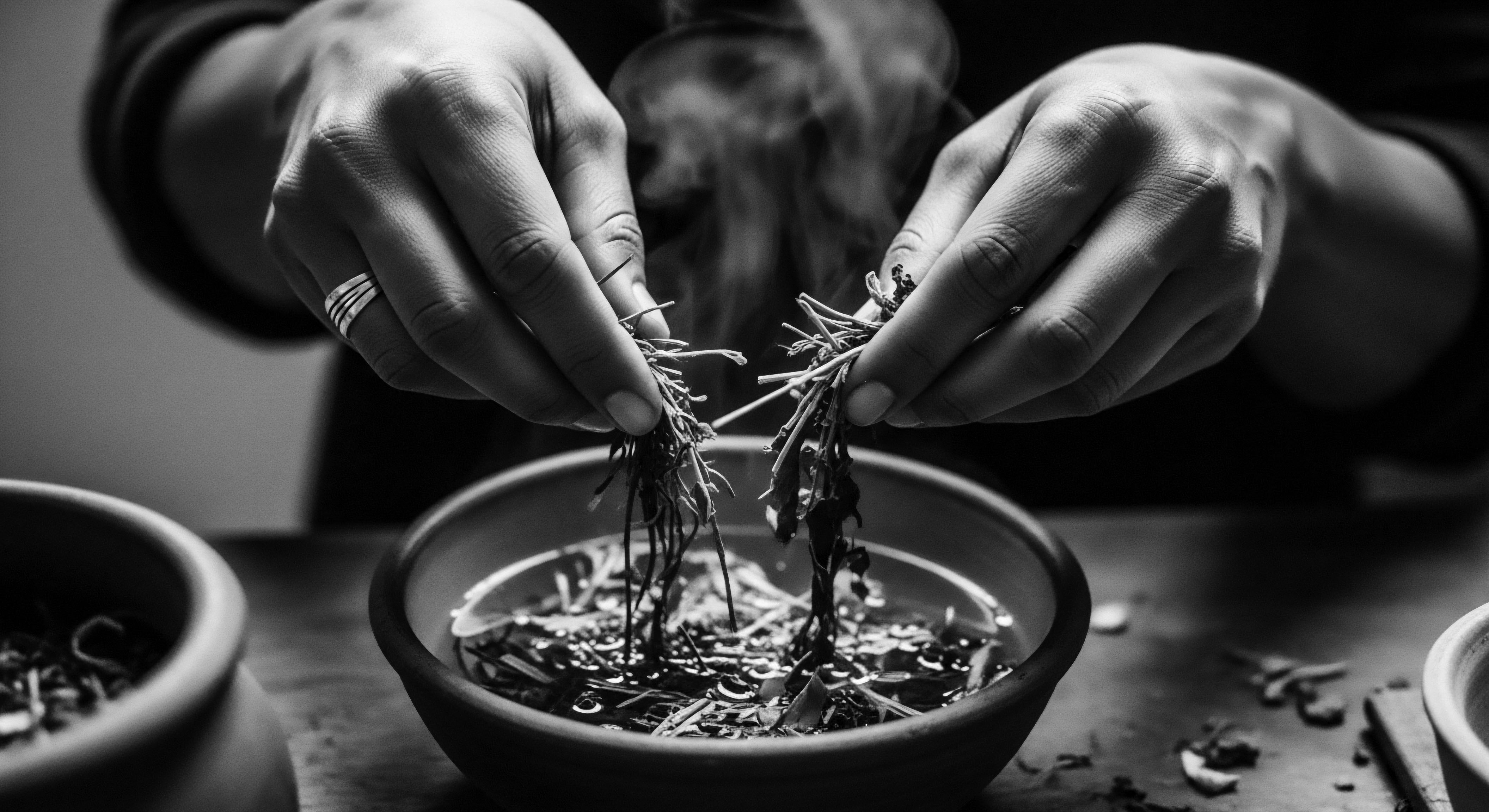
Traditional African hair rituals utilize plants like shea, moringa, and chebe for cleansing, moisturizing, and protecting textured hair, grounding modern care in ancestral heritage.
How did ancient tools shape Black hair rituals?
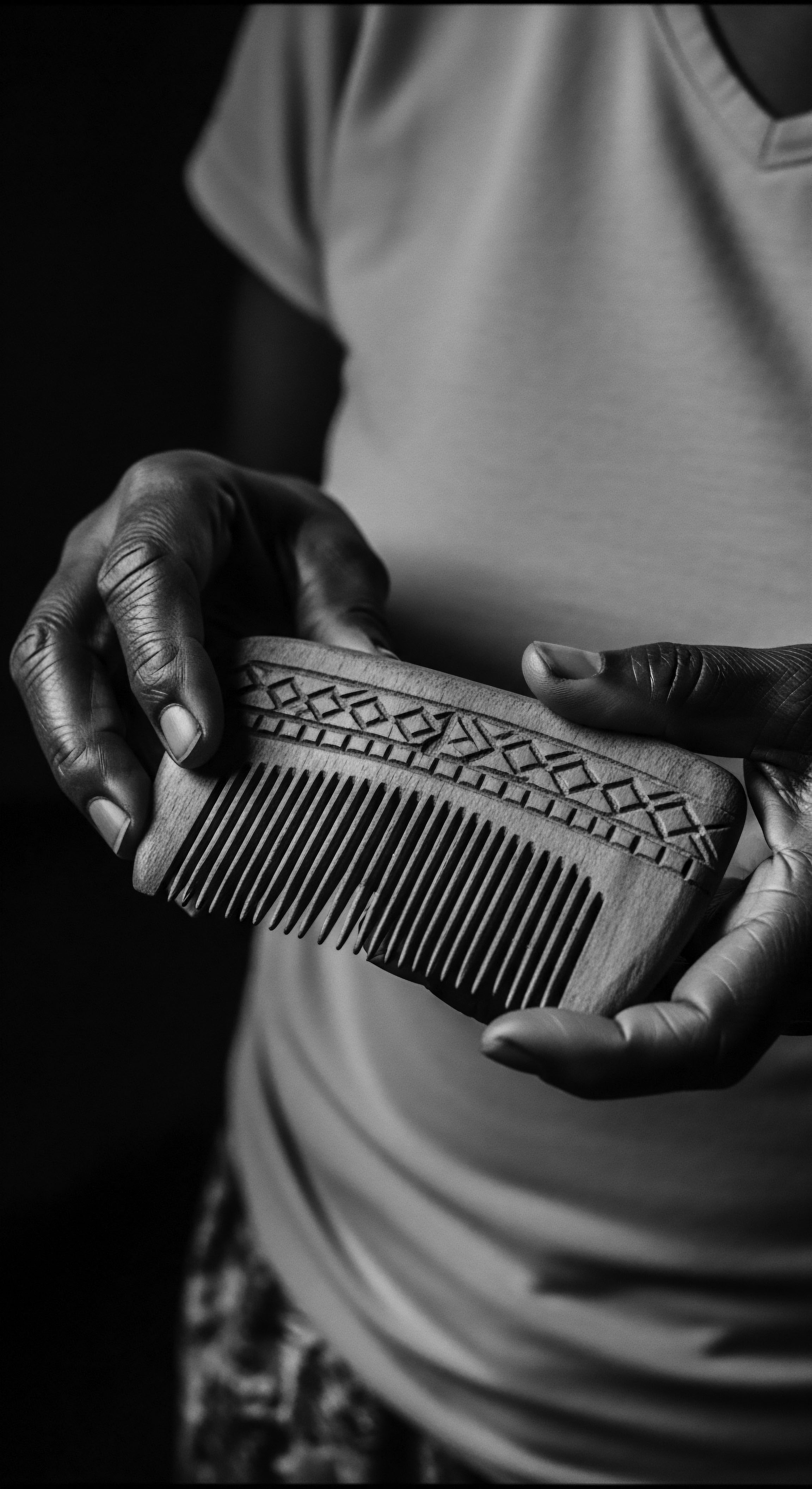
Ancient tools guided Black hair rituals by facilitating protective styling, symbolic adornment, and holistic care practices rooted in heritage.
Bondage Hair Care
Meaning ❉ Bondage Hair Care encompasses ancient protective styling methods and the cultural narratives of self-expression and liberation for textured hair.
What traditional African practices inform modern textured hair regimens?
Traditional African practices shape modern textured hair routines through inherited wisdom, protective styling, and ancestral ingredient use.
How did ancestral hair traditions shape responses to colonial mandates?
Ancestral hair traditions shaped responses to colonial mandates through cultural preservation, covert resistance, and redefined beauty, asserting heritage.
Yoruba Practices
Meaning ❉ Yoruba Practices signify a deep heritage of holistic hair care, intertwining ancestral wisdom, community bonds, and spiritual reverence for textured hair.
What historical elements shape contemporary textured hair care?
Historical elements, from ancient rituals to diaspora resilience, profoundly shape contemporary textured hair care, rooting it deeply in heritage.
Water Properties Hair
Meaning ❉ This editorial defines Water Properties Hair, exploring its scientific principles and deep connection to textured hair heritage and ancestral care practices.
Can plant compounds truly fortify textured hair?
Plant compounds, deeply rooted in textured hair heritage, truly fortify strands by enhancing resilience and nurturing their distinct structure.
How did Tignon Laws influence headwrap styles?
The Tignon Laws forced Black women to cover their hair, yet they transformed this mandate into a powerful expression of textured hair heritage and defiance.
How do modern hair systems relate to cultural identity?
Modern hair systems extend ancient cultural practices of adornment and protection, deeply anchoring in textured hair heritage and identity expression.
How does ancestral shea butter extraction benefit textured hair?
Ancestral shea butter extraction preserves unique compounds, offering deep moisture and protection for textured hair, rooted in rich cultural heritage.
Biogeochemical Hair Health
Meaning ❉ Biogeochemical Hair Health explores the interplay of body, chemistry, and environment shaping hair vitality and structural integrity.
Can modern science validate ancestral hair care practices for hydration?
Ancestral textured hair care, with its rich heritage of natural emollients and protective rituals, is scientifically affirmed for hydration.
Transatlantic Crossings
Meaning ❉ Transatlantic Crossings define the historical and cultural journey of textured hair, from ancestral African practices to diaspora resilience.
What historical significance do headwraps hold for hair health?
Headwraps historically provided essential hair protection, symbolizing resilience and cultural identity for textured hair heritage.
What historical moments shaped textured hair’s significance?
Textured hair's significance is shaped by ancient adaptation, ancestral communication, and enduring resistance against cultural erasure.
How do traditional African braiding methods retain moisture?
Traditional African braiding methods retain moisture by enclosing hair strands, reducing environmental exposure, and sealing in natural oils and applied emollients.
What scientific benefits of shea butter support its traditional use for textured hair health?
Shea butter’s fatty acids and unsaponifiables align with ancestral knowledge, providing moisture, protection, and anti-inflammatory properties crucial for textured hair heritage.
How did shea butter support resilience in textured hair history?
Shea butter protected textured hair from environmental stress, provided moisture, and aided ancestral styling, reinforcing cultural identity.
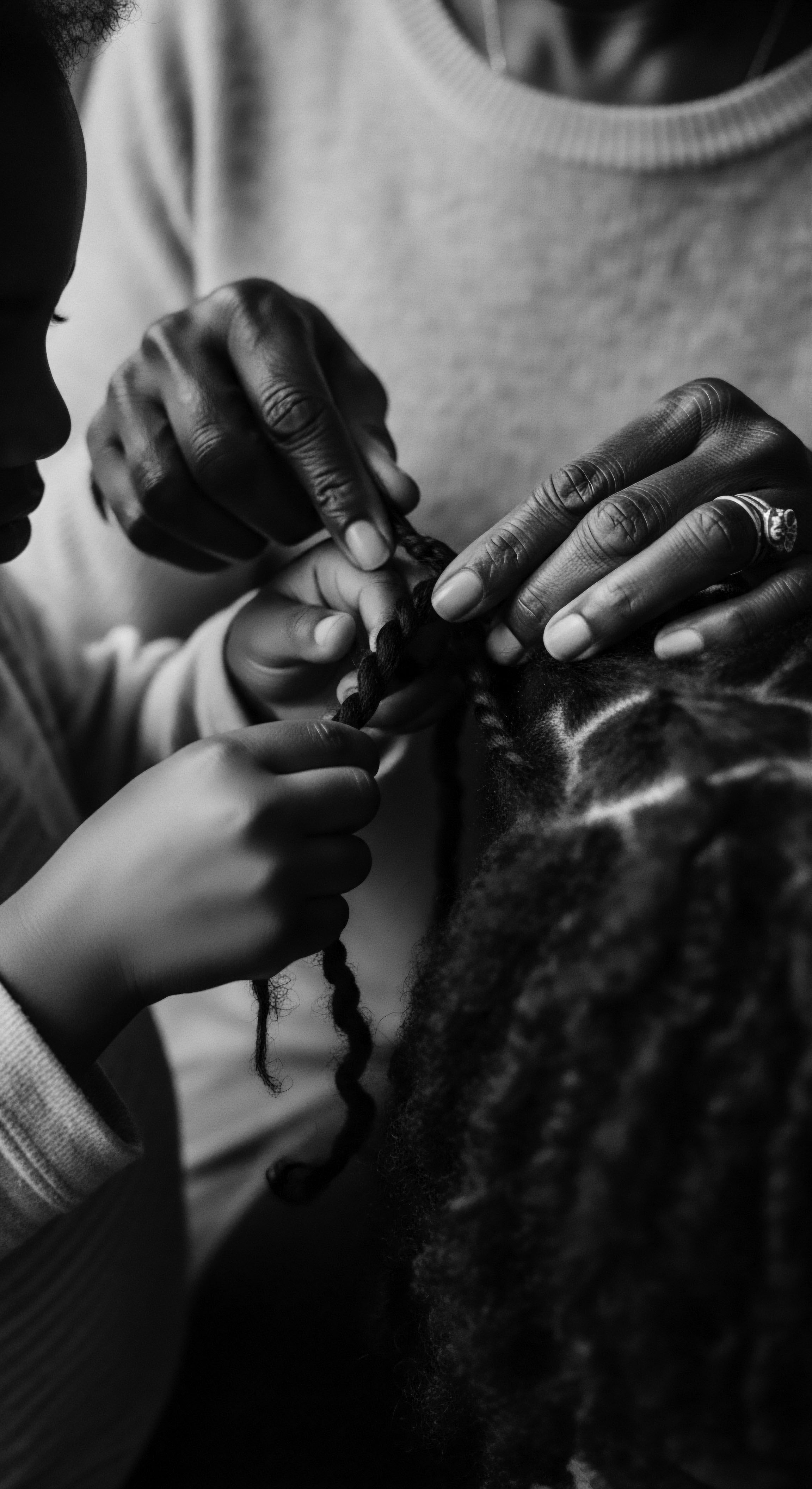
How do hair rituals strengthen family bonds?
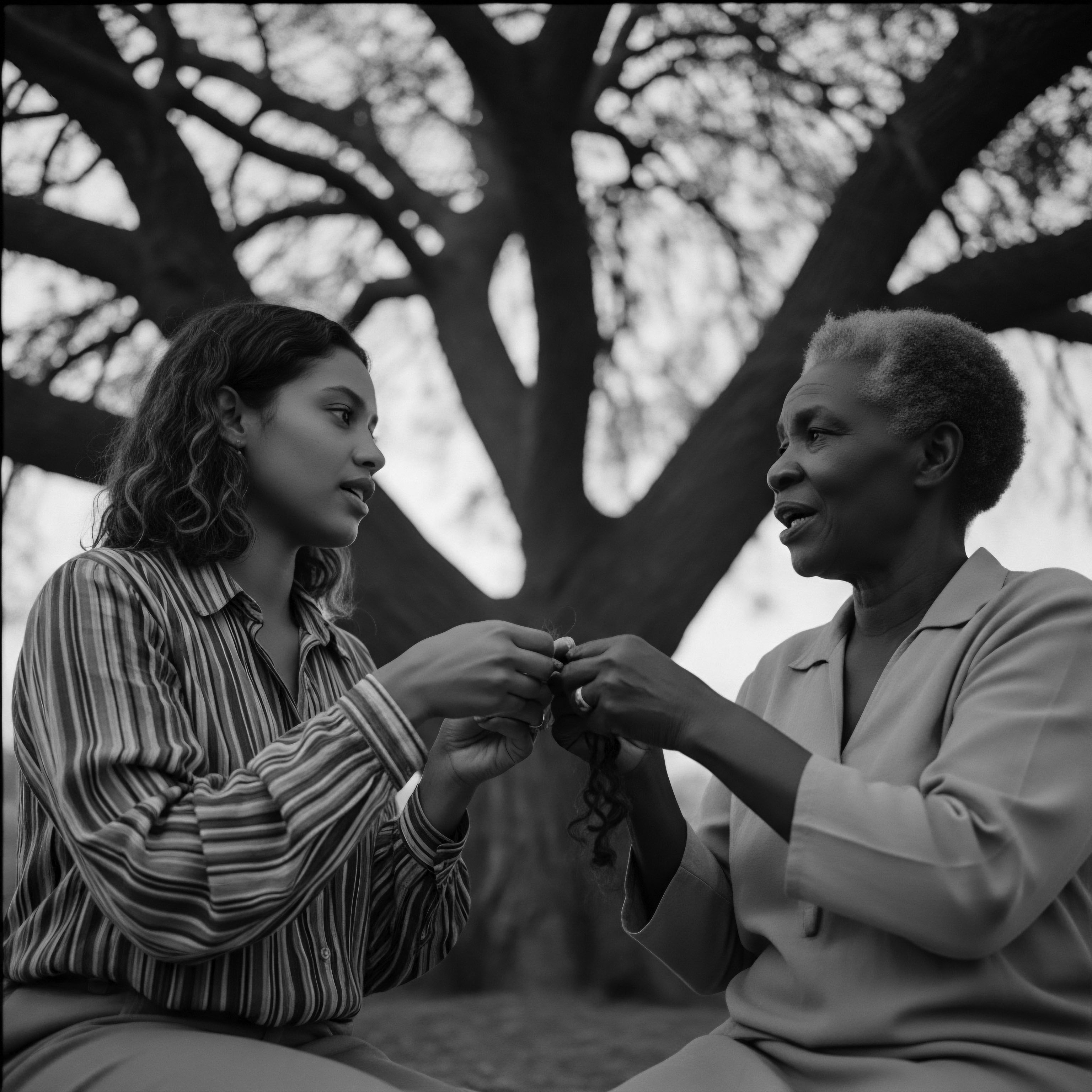
Hair rituals, through shared touch and knowledge passed across generations, forge profound familial bonds rooted in textured hair heritage.
How does hair texture influence self-worth?
Hair texture directly shapes self-worth through a deep, enduring connection to cultural identity and ancestral heritage.
How has textured hair care expressed cultural belonging?
Textured hair care expresses belonging through inherited ancestral practices that celebrate identity and community.
Can modern science explain traditional African hair growth practices and their botanical origins?
Modern science illuminates how traditional African hair practices, rich in botanical wisdom, physically support textured hair's health and length retention.
How does oiling textured hair symbolize cultural resilience?
Oiling textured hair embodies cultural resilience through its deep connection to ancestral practices, community bonds, and enduring identity.
What natural oils were used in ancient African hair traditions?
Ancient African hair traditions frequently used natural oils like shea butter, marula, and baobab for hair health and cultural expression, deeply shaping textured hair heritage.
What is the historical connection between African hair care and cultural identity?
African hair care historically binds cultural identity through spirituality, social status, and ancestral practices deeply rooted in textured hair heritage.
How did ancestral oiling methods change?
Ancestral oiling methods evolved from earth-sourced communal rituals to individual heritage acts, adapting through cultural shifts.