Why is bonnet protection vital for textured hair?
Bonnet protection safeguards textured hair by curtailing moisture loss and reducing friction, a practice deeply rooted in ancestral heritage for preservation.
How does hair heritage contribute to personal identity and well-being?
Hair heritage, especially for textured hair, significantly shapes identity and well-being by linking individuals to ancestral practices and collective cultural memory.
Yoruba Adornments
Meaning ❉ Yoruba Adornments are visual expressions on textured hair, signifying identity, status, and spiritual connection through ancestral practices.
What plant oils are historically significant for textured hair?
Ancestral plant oils like shea, coconut, and castor fortified textured hair, embodying heritage and resilience across generations.
What ancestral practices influence modern textured hair care and adornment?
Ancestral practices inform modern textured hair care through historical styling, natural ingredients, and a deep cultural connection to heritage.
What is the historical impact of hair discrimination on mixed heritage individuals?
Hair discrimination historically forced mixed heritage individuals to conform, impacting identity and access, yet fostering resilient cultural affirmations and ancestral connections.
What specific traditional ingredients benefit textured hair?
Ancestral ingredients like shea butter and castor oil continue to deeply benefit textured hair, rooted in a rich heritage of care.
What scientific benefits do bonnets provide for textured hair health and care?
Bonnets provide scientific benefits by reducing friction, retaining moisture, and preserving styles, honoring a deep heritage of hair protection.
What is the historical connection between hair, heritage, and social control?
Textured hair heritage entwines identity, tradition, and control, reflecting centuries of communal practices and societal pressures.
What historical practices preserve textured hair’s delicate structure?
Historical methods preserved textured hair through gentle protective styling, natural emollients, and mindful nightly rituals that respected its delicate nature and heritage.
What adornments signify lineage for textured hair?
Adornments for textured hair signify lineage through ancestral practices, social status, spiritual beliefs, and enduring cultural identity.
What ancestral wisdom informs modern textured hair practices today?
Ancestral wisdom informs modern textured hair practices through a rich heritage of communal rituals, ingredient knowledge, and protective styling techniques.
What historical acts of resistance are tied to textured hair heritage?
Textured hair practices, from styles to care rituals, served as potent acts of cultural preservation and defiance against oppression.
What ancestral contributions inform today’s understanding of textured hair moisture?
Ancestral contributions to textured hair moisture are found in deep cultural wisdom, natural ingredient use, and protective styling, all shaping modern understanding.
Hair Care Ingenuity
Meaning ❉ Hair Care Ingenuity describes the adaptive, culturally rich intelligence applied to nurturing textured hair, rooted in ancestral wisdom and community.
How did head coverings protect ancient textured hair?
Ancient head coverings preserved textured hair by providing physical defense against elements and retaining moisture, a practice steeped in rich heritage.
What ancient African practices preserve textured hair’s legacy?
Ancient African practices preserve textured hair's legacy through sacred rituals, botanical remedies, and intricate styling, symbolizing deep cultural identity.
In what ways do traditional African oils contribute to cultural identity?
Traditional African oils serve as profound symbols of cultural identity, preserving ancestral wisdom and connecting textured hair heritage to the land and community.
In what ways did hair care rituals preserve African heritage during enslavement?
Hair care rituals became a defiant act, transmitting cultural heritage, identity, and coded messages for survival and resistance.
What traditional care rituals supported textured hair health?
Traditional rituals, deeply rooted in textured hair heritage, used botanical resources and communal practices to nourish and protect strands.
What are the traditional African oils used for hair?
Traditional African oils, like shea butter and baobab, nourish textured hair, reflecting centuries of inherited cultural care and identity.
Can modern cleansing techniques truly reconnect with ancestral Black hair heritage?
Modern cleansing techniques can re-establish ancestral Black hair heritage by prioritizing gentle, nourishing care that honors natural texture and scalp health.
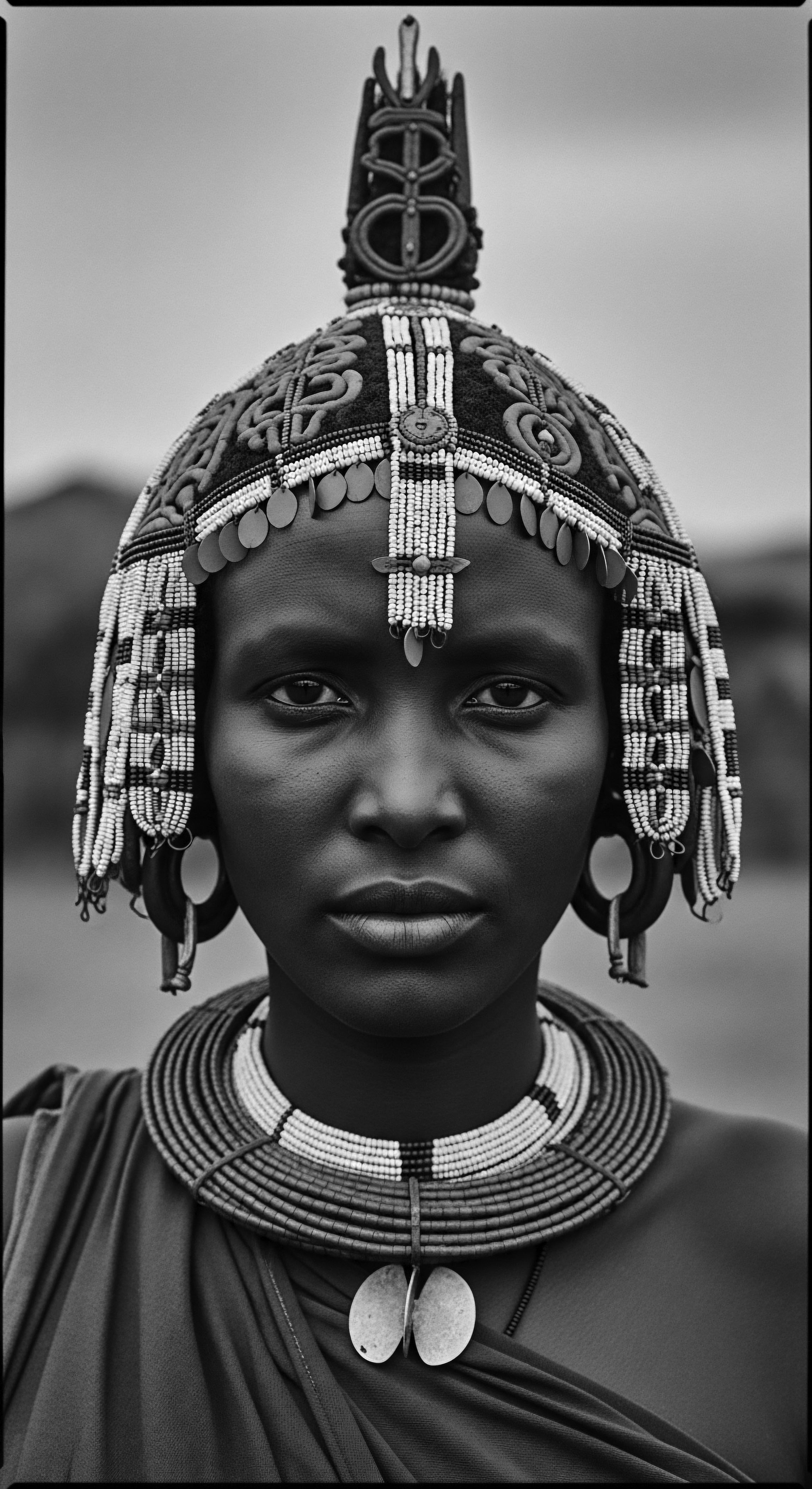
Pastoralist Beauty
Meaning ❉ Pastoralist Beauty embodies reverence for textured hair's intrinsic resilience, deep connection to ancestral wisdom, and harmony with cultural heritage.
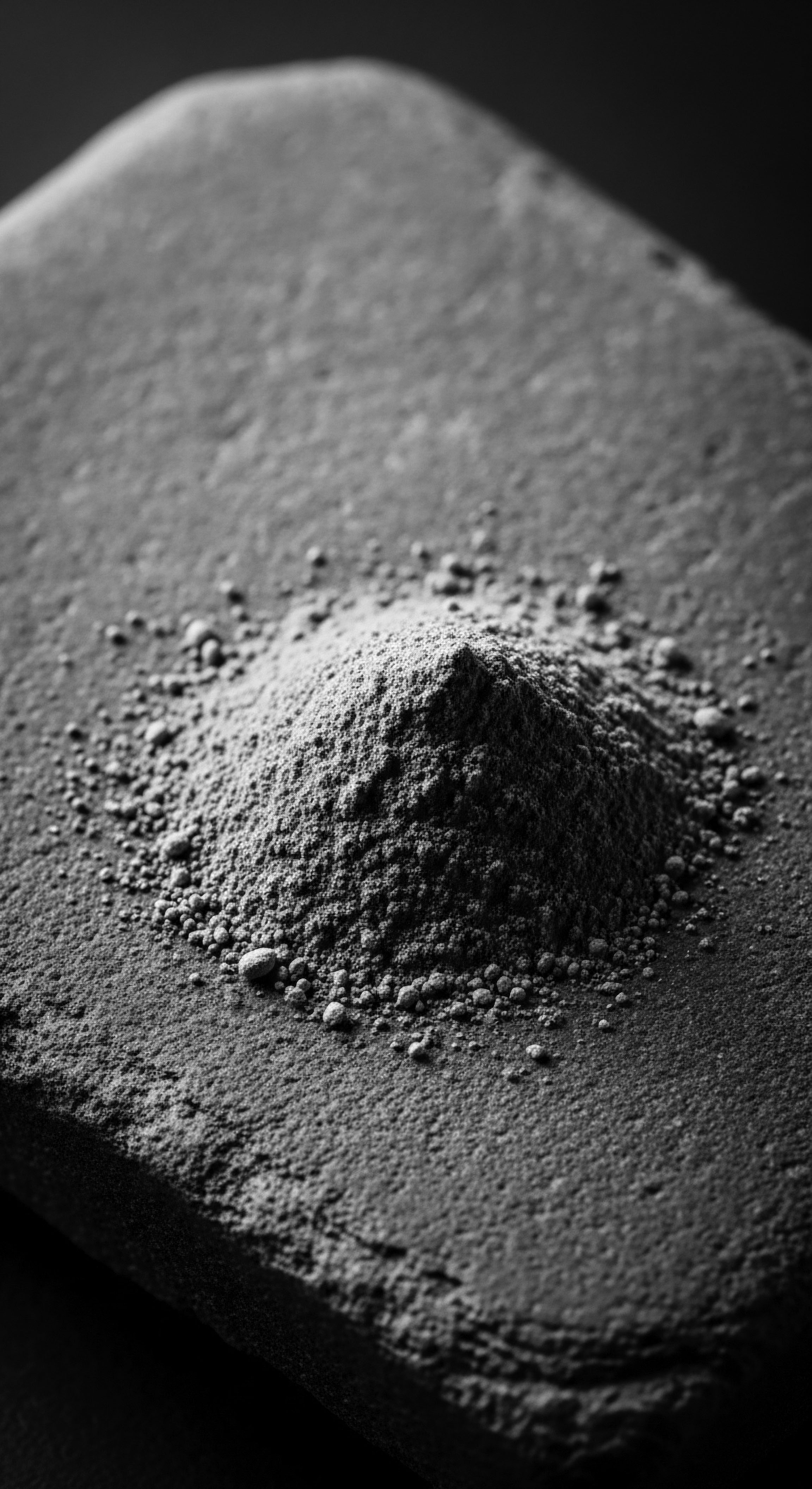
How does Chebe powder traditionally strengthen textured hair?
Chebe powder traditionally fortifies textured hair by coating strands, minimizing breakage, honoring ancestral hair care heritage.
In what ways did pre-colonial communities adapt hair care for unique follicular structures?
Pre-colonial communities adapted hair care for unique follicular structures through protective styles, natural ingredients, and communal rituals deeply rooted in heritage.
Slave Hair Identity
Meaning ❉ Slave Hair Identity describes how textured hair became a profound symbol of resilience and cultural continuity for enslaved people.
What ancient wisdom guides modern textured hair care journeys?
Ancient wisdom guides modern textured hair care by offering ancestral knowledge of protective styling, natural ingredients, and hair's cultural significance.
How does ancestral wisdom influence contemporary holistic wellness for Black and mixed-race hair?
Ancestral wisdom provides a deep, communal foundation for Black and mixed-race hair wellness, intertwining cultural identity with physical care.
Can modern hair systems serve as tools for cultural reclamation and heritage connection?
Modern hair systems can indeed serve as tools for cultural reclamation and a powerful connection to textured hair heritage.