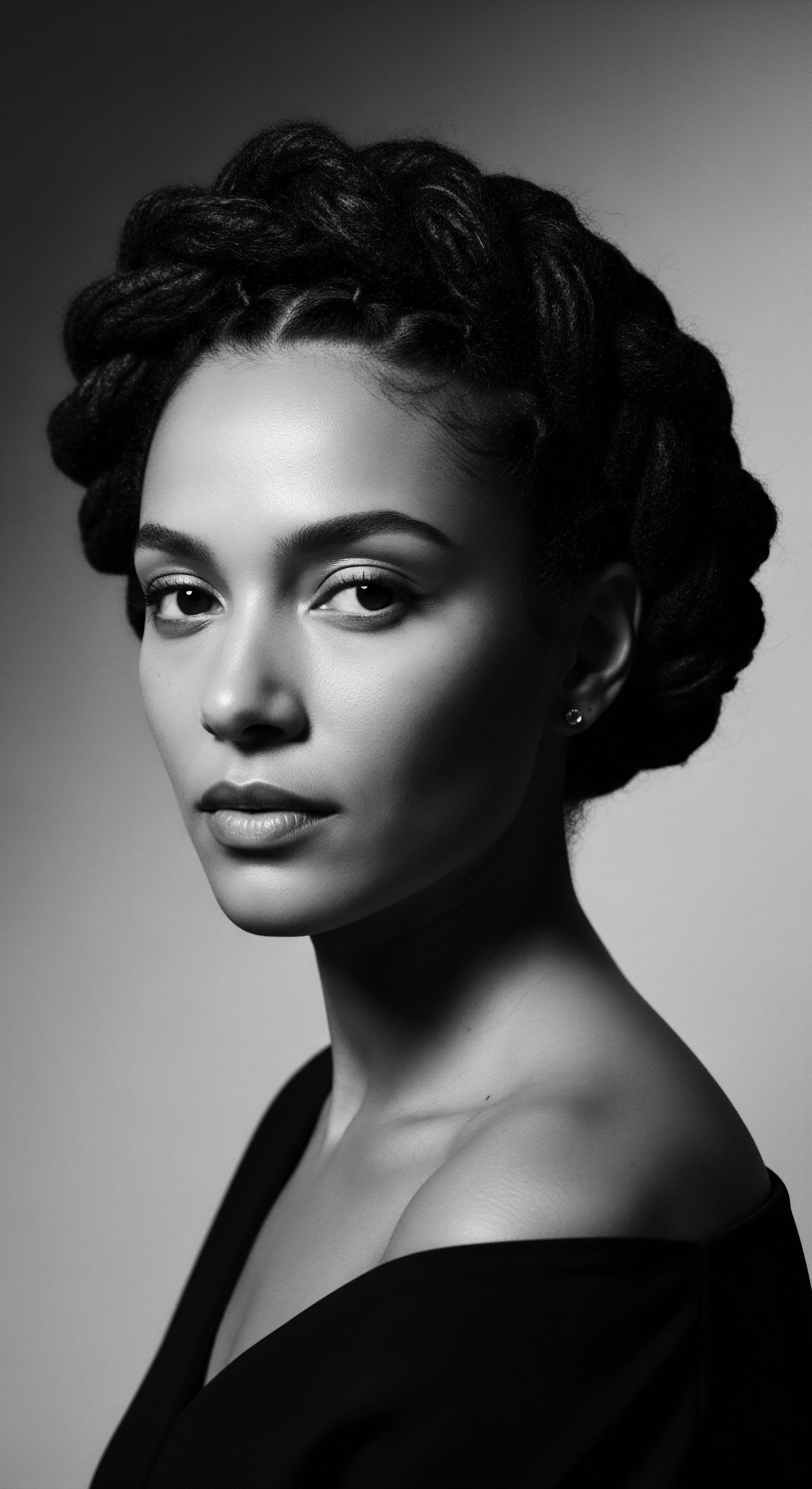
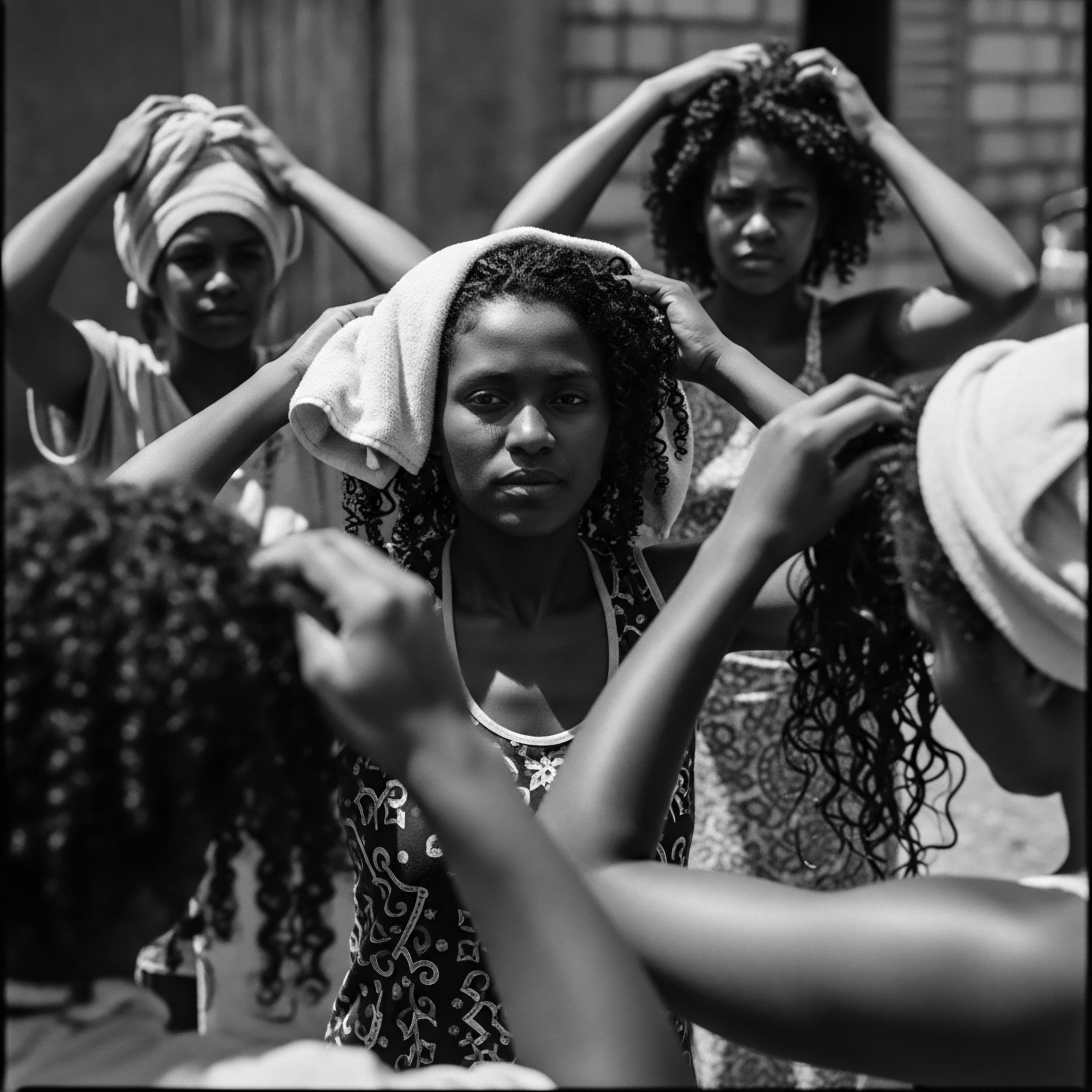
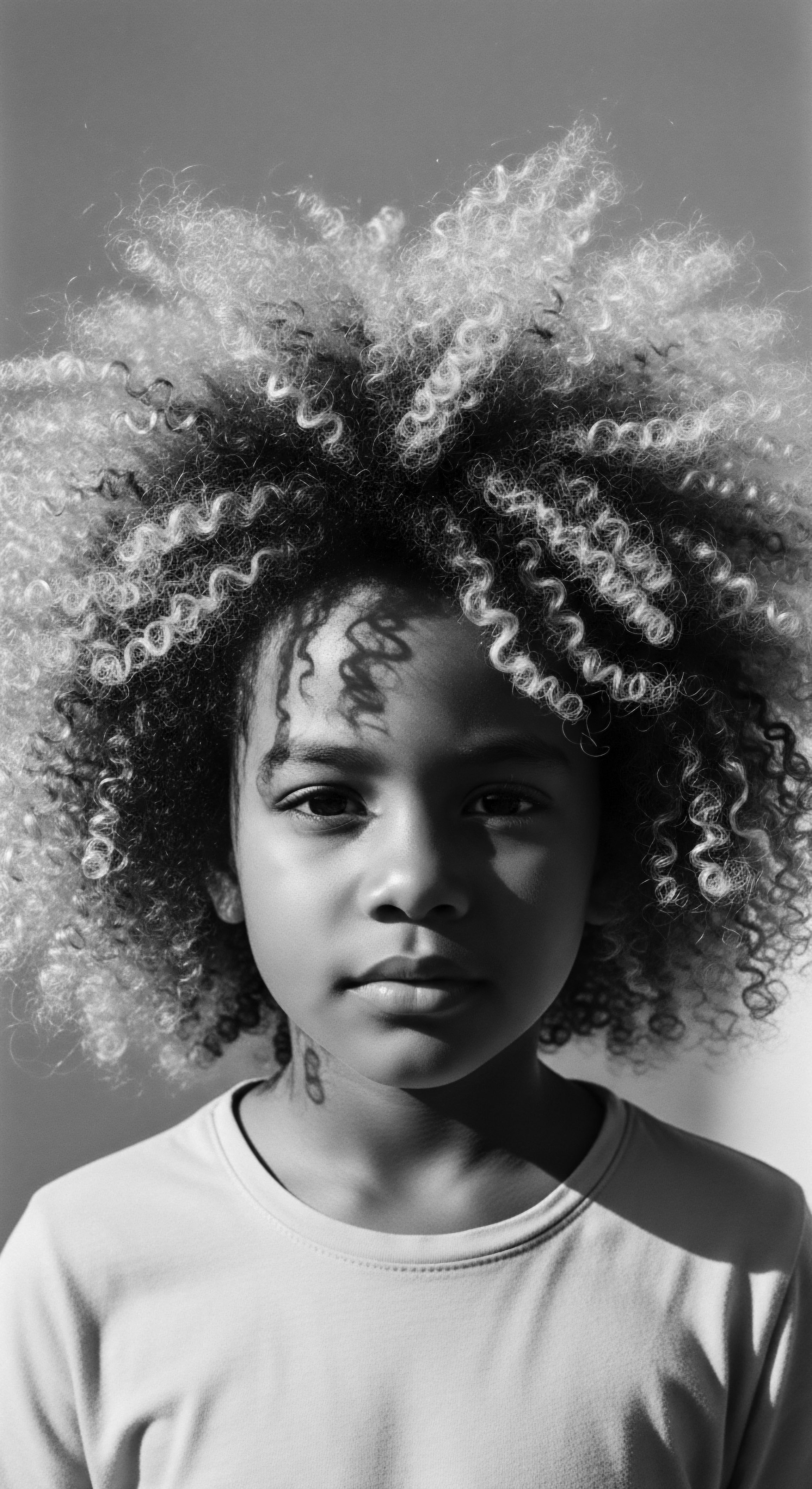
Historical Black hair practices, deeply rooted in ancestral wisdom, profoundly shape modern hydration techniques by prioritizing moisture retention and gentle care.
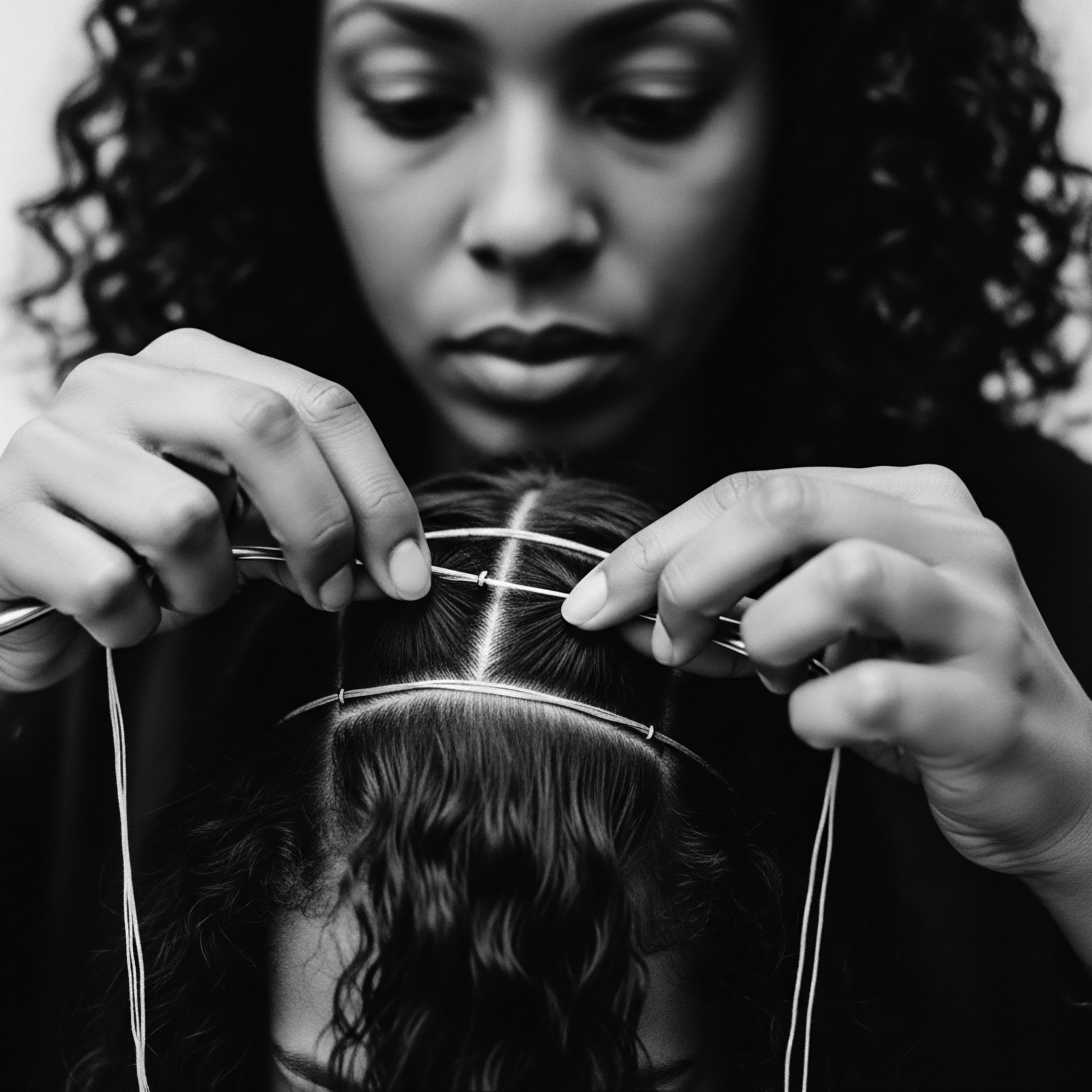
Cornrows historically served as a profound marker of African identity, social status, and a covert communication tool for freedom, deeply rooted in textured hair heritage.
Ancestral hair practices served as non-verbal communication, encoding social status, identity, and resistance through diverse styles and adornments within textured hair heritage.
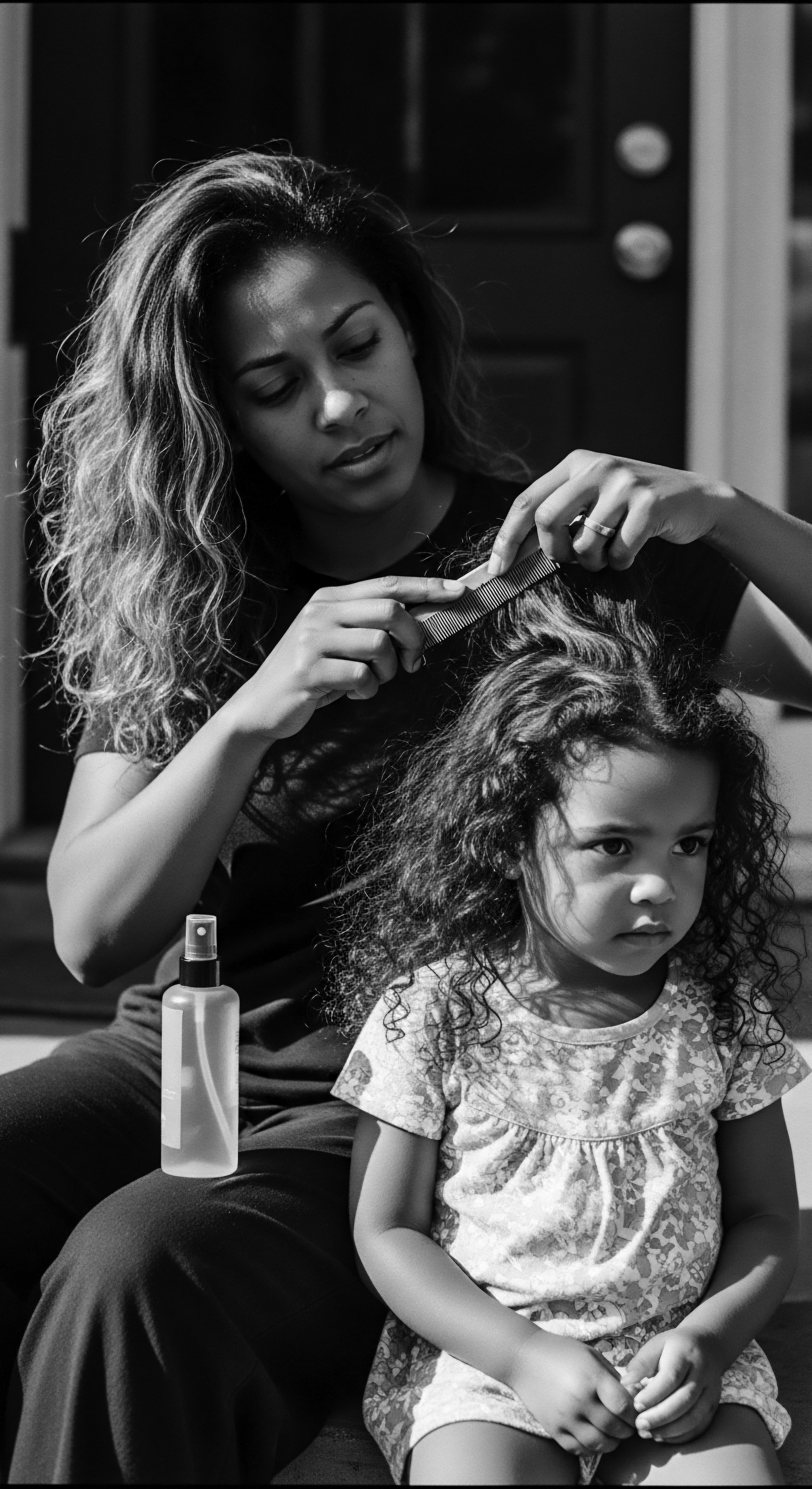
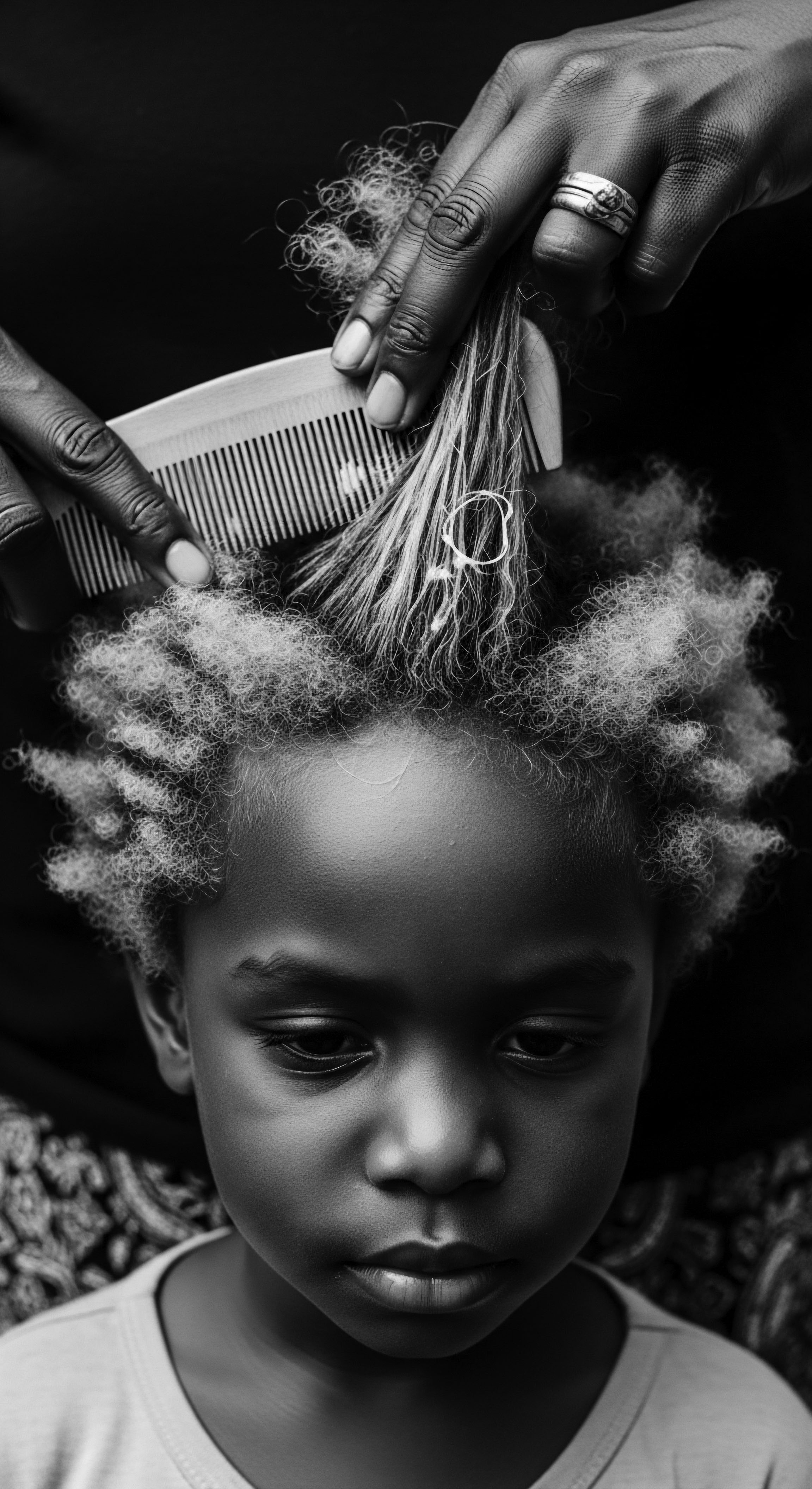
Traditional practices hydrate textured hair through ritualistic oiling, protective styling, and natural ingredients passed down through generations, honoring ancestral wisdom.
Historical hair wisdom, rooted in textured hair heritage, guides modern protective styling through ancient protective practices and ancestral understanding.
Workplace appearance rules often reflect historical biases, compelling individuals with textured hair to navigate conformity while preserving their heritage.
Ancestral practices for textured hair defended it from elements through biological adaptation, protective styling, and natural ingredient rituals, preserving heritage.
Historical shifts imposed by slavery and colonialism severed ancestral ties to hair care, forcing adaptation and leading to a complex heritage of resilience and reclamation.
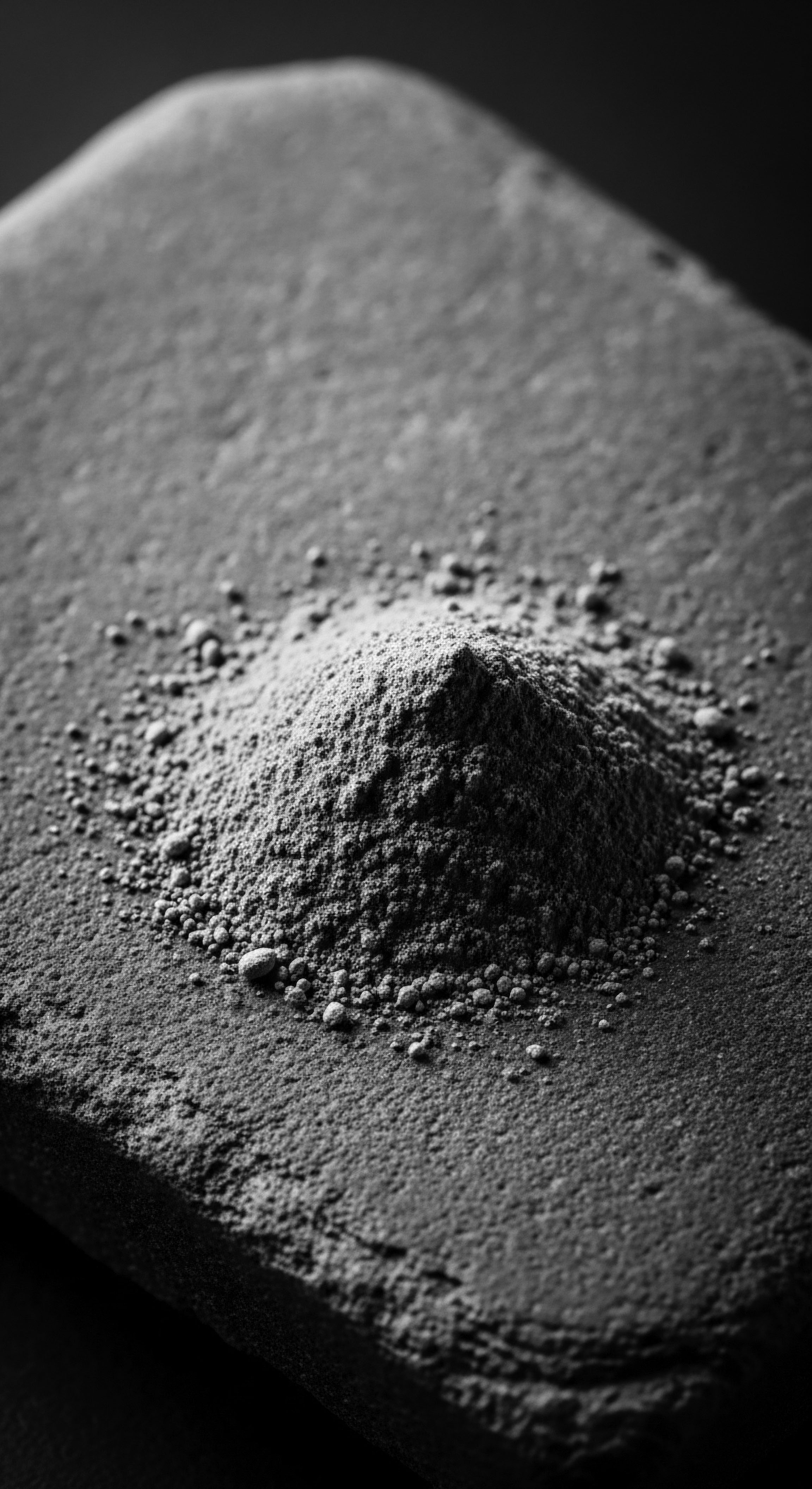
Traditional ingredients like shea butter and Chebe powder are ancestral cornerstones of protective styling, preserving textured hair health and heritage.
Protective styling during the transatlantic slave trade became a vital survival tool, safeguarding physical hair health while serving as a covert medium for communication and identity preservation, deeply rooted in textured hair heritage.
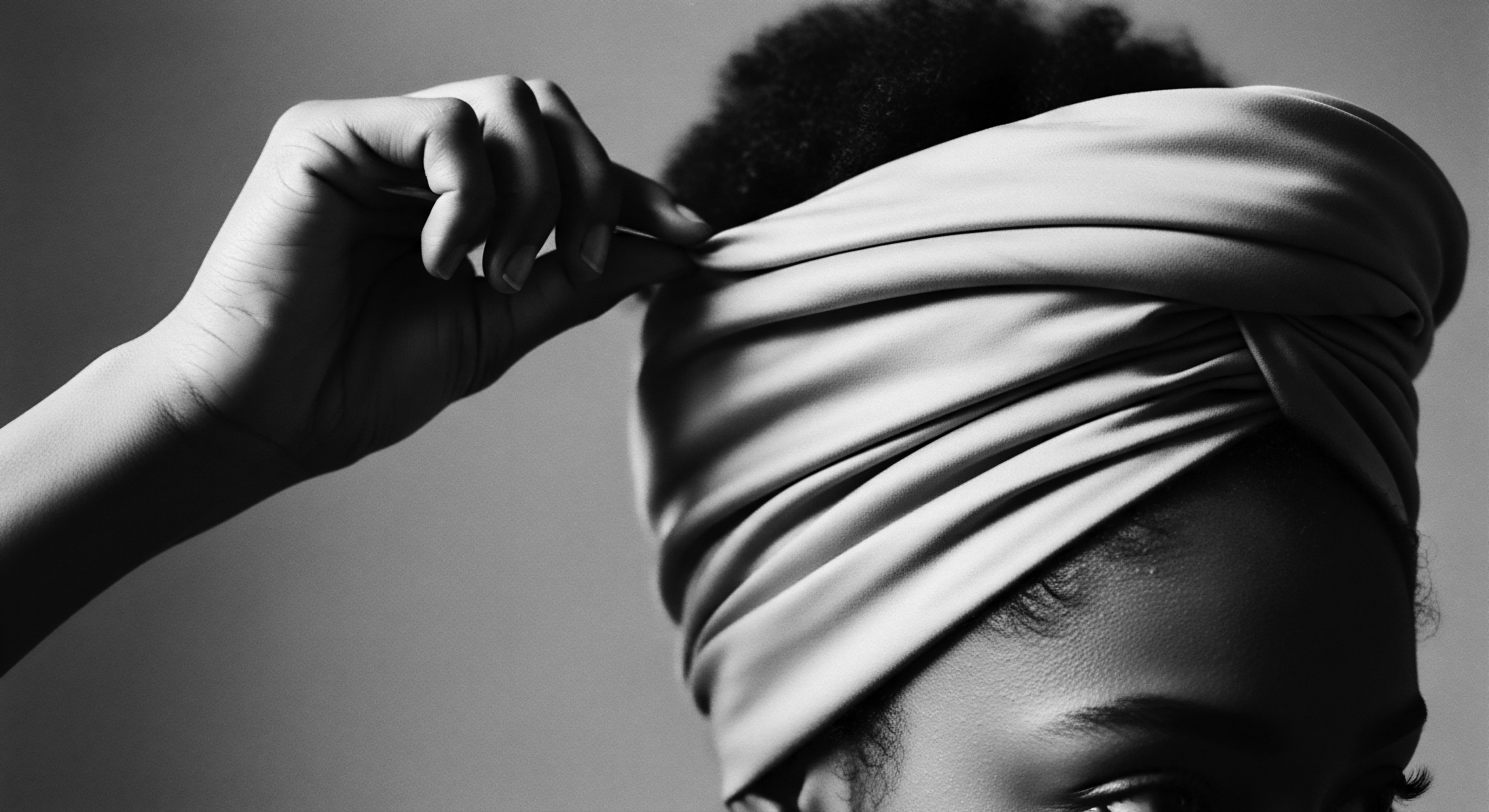
Headwraps served as ancestral protectors for textured hair, symbols of cultural identity, and powerful statements of resistance within Black and mixed-race heritage.
Protective styling from ancient Africa to the diaspora reveals a heritage of ingenious care, cultural identity, and resilient self-affirmation for textured hair.
The CROWN Act addresses historical hair biases by legally protecting natural hair textures and styles, validating Black hair heritage against discriminatory norms.
Meaning ❉ Hair Aesthetic Standards are culturally specific values and practices defining beauty, health, and identity for textured hair, rooted deeply in ancestral heritage and resilience.
Ancestral hair wisdom intersects employment challenges as Eurocentric norms often penalize textured hair, forcing difficult choices between cultural identity and career advancement.
Head coverings physically shielded hair from harm, maintained moisture, and became symbols of cultural identity and heritage for textured hair communities.
We use cookies to personalize content and marketing, and to analyze our traffic. This helps us maintain the quality of our free resources. Manage your preferences below.
This helps support our free resources through personalized marketing efforts and promotions.
Analytics cookies help us understand how visitors interact with our website, improving user experience and website performance.
Personalization cookies enable us to customize the content and features of our site based on your interactions, offering a more tailored experience.